


UHFKill - Tag Testing Service
UHFKill - Tag Testing Service
Couldn't load pickup availability
Guaranteed Compatibility Testing Service
The UHFKill Tag Testing Service allows you to send sample tags to our testing laboratories for full testing with the UHFKill Standard and Embedded devices.
Up to 10 tags included in each testing service - add more if required.
Laboratory Reports are guaranteed: we guarantee that devices purchased from UHFKill.com will perform exactly as per the Laboratory Results.
Devices must be purchased through Lab401.com, NFCKill.com or UHFKill.com; authenticity will be verified via serial number and counter value.
Testing Procedure
- Place an order (10 tags included per test; add more as required).
- Prepare your samples : after your order, you will receive an address where the samples should be sent (France).
- Send your samples : Send the samples, and advise customer support of your tracking number
- Sample Analysis : Upon reception, we will process the labels in our laboratory.
- Report Delivery : Within 2 weeks of reception, you will receive a testing report showing the testing results for each tag, including which UHFKill was used, and any special conditions (distance, orientation, etc).

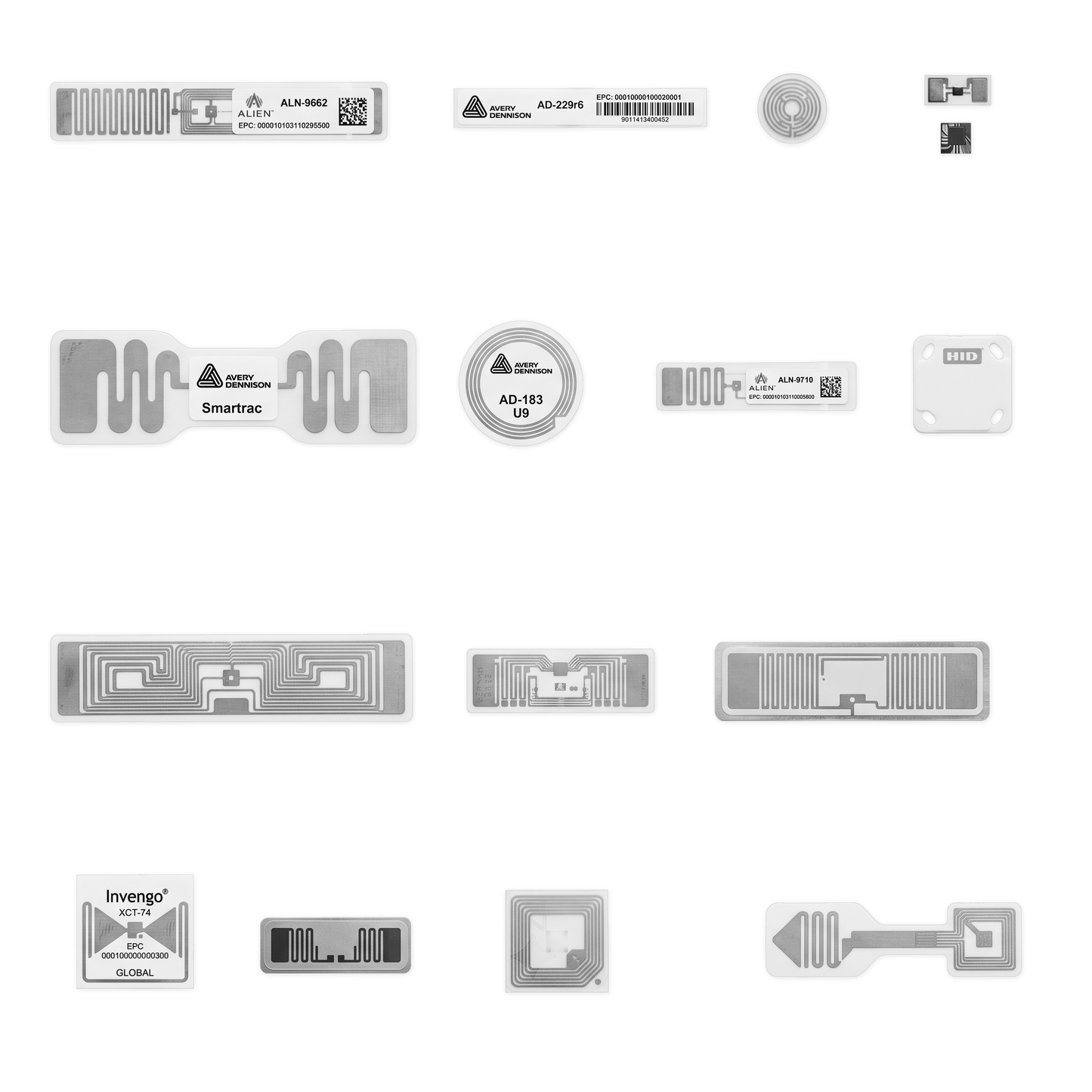
Which device do I need ?
To determine which device you need, you need to determine if the tags are UHF tags or HF/LF tags.
Please refer to the table below in order to determine which type of tag you are dealing with, and which device you need to use.
-
UHF (Gen1, Gen2)
Easily identifiable by their "wing" style antennas with the RFID Chip in the middle, these RFID tags are UHF and can be deactivated with a UHFKill device.
-
Embedded UHF
Ranging from 3 - 10mm, typically embedded in products such as eyeware, these tags are UHF and can be deactivated with the UHFKill Embedded device.
-
High Frequency
Also called "NFC" tags and typically used in access control, transport, payment systems and identification documents, HF (13.56MHz) tags can be disabled with the NFCKill device.
-
Low Frequency
Low Frequency (125 - 134KHz) tags are an older technology, still widely used for access control, pet-identification, etc. These tags can be disabled with the NFCKill device.
UHF Tag Overview
UHF Tags are very commonly embedded in consumer products. Because of
UHF tags' longer read-range, tags are often used during manufacturing
for logistics and quality control. However, UHF tags are often used for
other less ethical reasons:
- Brand Control:
Large brands often embed UHF tags in clothing / shoes / apparel allow
brands to track individual items and force distribution to their
approved channels only.
While there are legitimate uses, specifically to prevent counterfeits or retail theft, many brands use RFID / UHF as a form of brand control.
Companies
specialised in clothing resale or modification (ie customised sneakers)
are often subject to legal threats via the brand, who track down makers
via the RFID tags embedded in the items - even though their work is
protected via the first-sale doctrines. - Consumer Tracking: Because UHF tags have a unique signature and cannot be easily removed from clothing / shoes / etc, they are used to track / spy on customers.
This can be in the form of data collection in retail environments (following consumer behaviour in shopping malls, tracking a customer's path, habits, etc)